

A Simple Plan to Set up Home Charging the Right Way
Planning an EV charger installation means checking your home’s power supply, choosing the right charger, getting permits if needed, and hiring a qualified electrician for safe setup. When you follow clear steps, you avoid delays, surprise costs, and safety risks. Whether you drive daily or just bought your first electric car, a solid plan makes charging at home easy and stress-free.
What You Need Before Getting Started
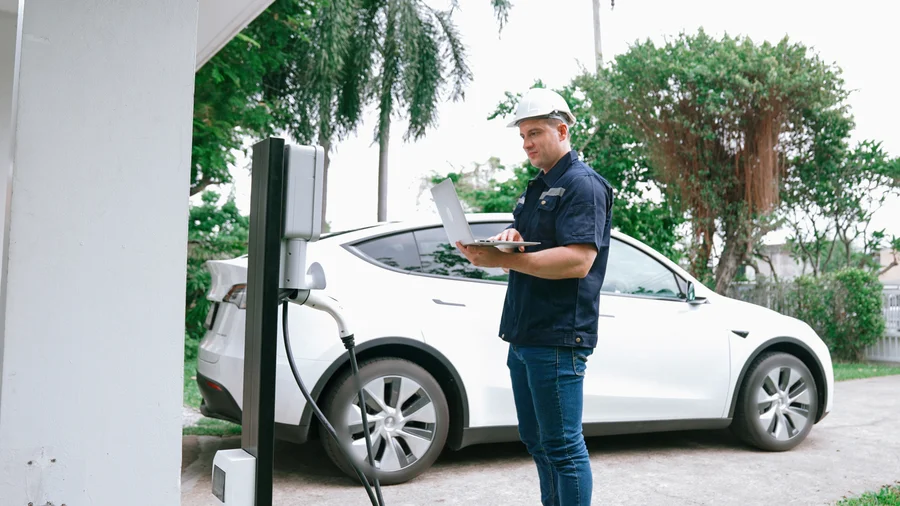
Before you schedule your EV charger installation, gather a few key details. First, know what type of electric vehicle you have. Different cars accept different charging speeds. Next, check your electrical panel. Many homes can handle a Level 2 charger, but older panels may need upgrades.
You should also think about:
- Where you want the charger placed (garage, driveway, carport)
- The distance from your panel to that spot
- Your daily driving habits
- Local permit rules in your area
This type of electrical service may require approval from your city or county. Planning ahead helps you avoid last-minute changes.
Step-by-Step EV Charger Installation Process
Once you have the basics covered, follow these clear steps:
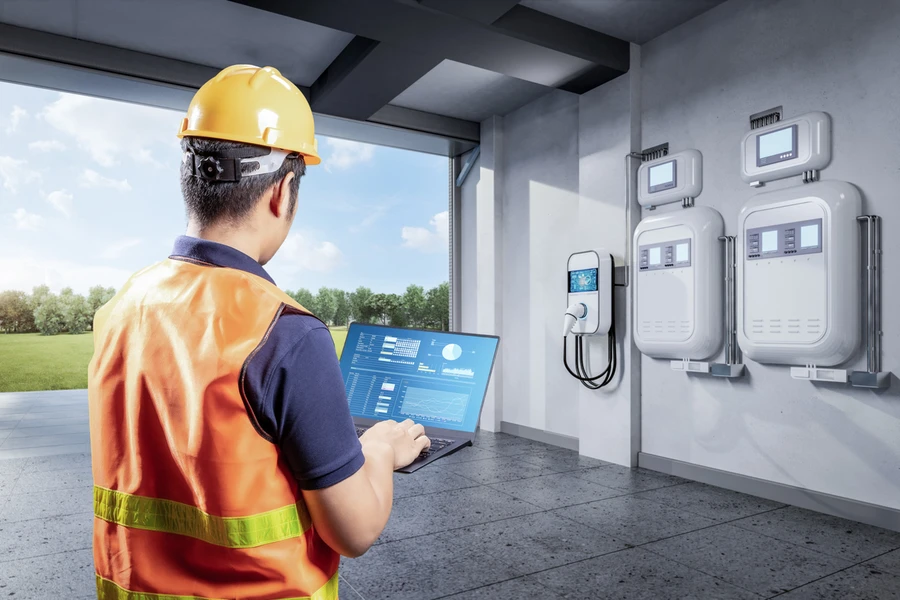
- Assess your power capacity. An electrician checks if your panel can support a new 240-volt circuit.
- Choose the right charger level. Most homeowners pick a Level 2 charger for faster charging.
- Select the mounting location. Pick a safe, dry, and easy-to-reach area.
- Apply for permits if required. Some cities require inspection after installation.
- Install dedicated circuit and wiring. This prevents overloads and keeps charging safe.
- Mount and connect the charger. The unit gets secured to the wall and wired properly.
- Inspection and testing. The system is tested to confirm safe operation.
Each step builds on the one before it. Skipping steps can lead to costly issues later.
Common Mistakes to Avoid
Many homeowners rush into EV charger installation without proper planning. That can cause problems.
Here are common mistakes:
- Choosing the cheapest charger without checking compatibility
- Ignoring panel capacity and overloading the system
- Placing the charger too far from the parking spot
- Skipping permits or inspections
- Trying to install it without proper training
For example, if your panel is already near its limit, adding a charger without an upgrade may trip breakers often. In some cases, it can create heat buildup inside the panel. That is a serious safety concern.
When to Call a Professional
Installing a charger is not like plugging in a kitchen appliance. It requires running a new high-voltage line from your panel. That work must follow electrical codes for safety.
You should call a licensed electrician if:
- Your panel is over 20 years old
- You are not sure if you have 200-amp service
- The charger location is far from your panel
- You need a panel upgrade
- Your area requires inspections
A trained professional checks load capacity, installs the correct breaker size, and verifies grounding. This reduces fire risk and protects your vehicle. It also keeps your warranty valid in many cases.
Final Recommendation and Next Steps
If you are planning an EV charger installation in Victorville, CA, we can help you map out each step clearly and safely. At Garcia Electrical Jobs And Renovation, we handle panel checks, permits, wiring, and testing from start to finish. Our team installs systems that match your home’s power needs and your driving habits. Call us at (442) 353-3609 to schedule a consultation and let us set up reliable home charging that works for your lifestyle.