

What to Know Before Setting up EV Charging at Home
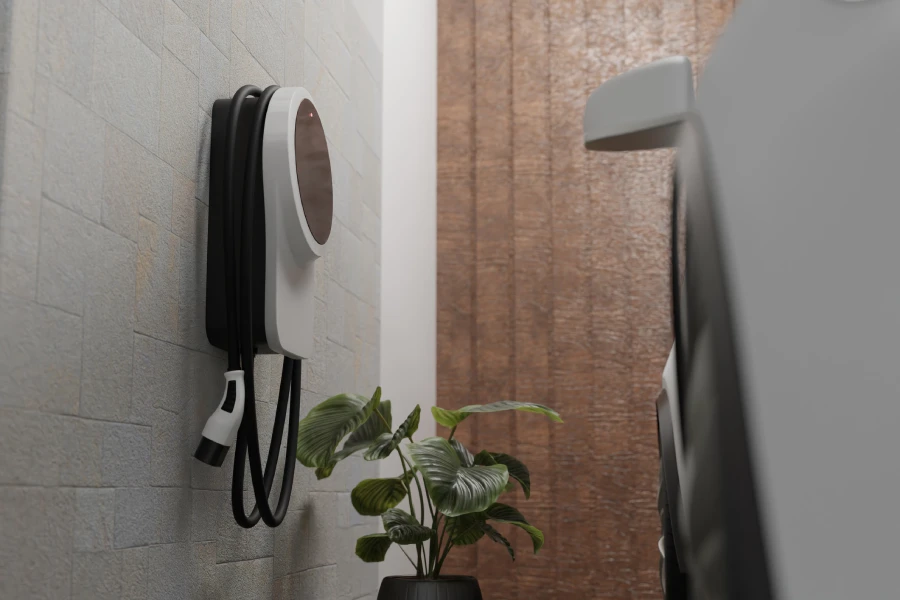
Home charger installation for electric vehicle charging lets you power your car overnight in your own garage or driveway. Most homeowners choose a Level 2 unit because it charges much faster than a standard wall outlet. The process includes checking your electrical panel, selecting the right charger, mounting the unit, and connecting it safely to your home’s power supply. When done right, charging at home is simple, safe, and convenient.
What You Need Before Starting
Before you schedule a charger installation, take a close look at your home’s electrical system. Not every panel is ready for an EV charger. A Level 2 charger often needs a 240-volt circuit and enough open breaker space.
Here is what you should check first:
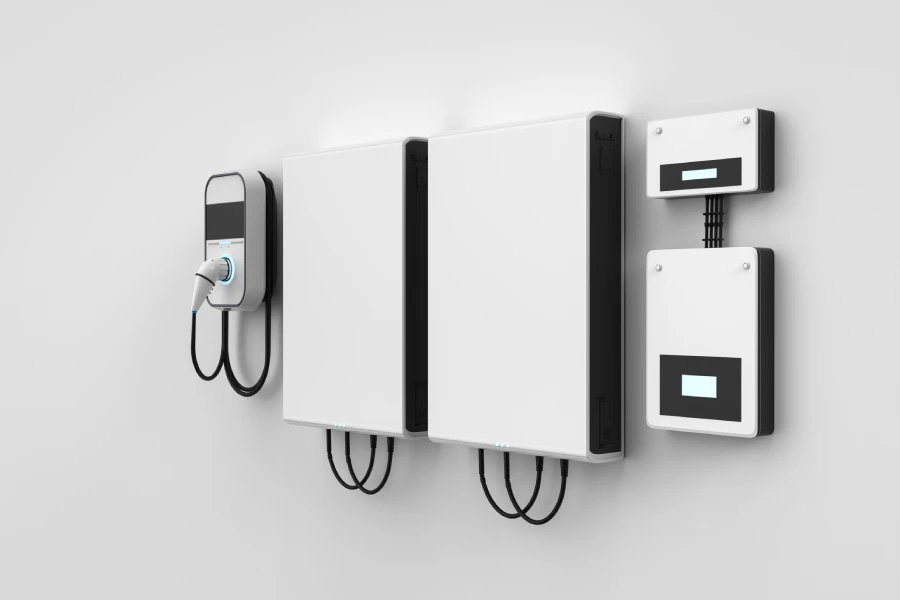
- Your electrical panel amperage rating
- Available breaker slots
- Distance from panel to parking area
- Indoor or outdoor mounting location
- Local permit requirements
You will also need to select the right charger for your vehicle. Some cars can handle higher charging speeds than others. Buying a charger that matches your vehicle’s capacity helps you avoid wasting money.
Step-by-Step Process
While every home is different, most professional charger installation projects follow a similar path.
- Evaluate your electrical panel and load capacity.
- Apply for required permits if your city requires them.
- Install a new 240-volt breaker in the panel.
- Run proper wiring from the panel to the charger location.
- Mount the charging unit securely to the wall.
- Connect wiring and test the system.
- Schedule inspection if required by code.
For example, if your garage sits far from the panel, extra wiring and conduit may be needed. That can affect labor time and materials. Homes with older 100-amp panels may require an upgrade before installing a fast charger.
Common Mistakes to Avoid
Many homeowners try to cut corners during a charger installation. That can lead to safety issues or failed inspections.
- Skipping permits and inspections
- Overloading an undersized panel
- Using the wrong wire gauge
- Mounting the charger too far from the vehicle port
- Installing outdoors without proper weather protection
Another mistake is choosing the cheapest charger without checking warranty or compatibility. A reliable unit should handle daily use and changing weather conditions.
When to Call a Professional
Installing an EV charger is not the same as plugging in an appliance. It involves high-voltage wiring and strict electrical codes. If you are not trained in electrical work, this is not a safe DIY project.
You should call a licensed electrician if:
- Your panel is full or outdated
- You need to upgrade to 200-amp service
- The charger will be installed outdoors
- You are unsure about local code rules
A professional can also help you decide the best charger location. A few feet difference in placement can make daily charging easier. Clean cable routing and proper breaker sizing help the system last longer.
Final Recommendation and Next Steps
Home charging adds comfort and saves time. You wake up with a full battery and skip public stations. The key is safe planning and proper installation. If you live in Victorville, CA and want dependable charger installation, contact Garcia Electrical Jobs And Renovation. We handle the full process from panel check to final testing, and we follow local code every step of the way. Call (442) 353-3609 to schedule service or ask about your home’s setup. We are ready to help you power your vehicle safely at home.